

Streetwear essentials are the handful of pieces that every solid street wardrobe is built on: an oversized hoodie, a pair of baggy jeans, cargo pants, graphic tees, and the right sneakers. Get those five right in fit, fabric, and color, and you can build dozens of outfits without thinking twice. Everything else, from caps and chains to statement jackets, sits on top of that foundation. If you’ve ever stood in front of a packed closet and felt like you had nothing to wear, the problem usually isn’t quantity. It’s that the core pieces don’t talk to each other. This guide breaks down what actually belongs in your rotation, how each piece should fit, and how to wear it all so it looks intentional instead of thrown together.
What Are the Real Streetwear Essentials?
The real streetwear essentials are the pieces you reach for three or four times a week, not the hype drop you wore once. Streetwear grew out of skate parks, hip hop, basketball courts, and city corners, and the clothes that came from those places had one thing in common: they were comfortable, durable, and built to move. That’s still the test. A piece earns a permanent spot in your closet when it looks good, survives repeated washing, and pairs with almost everything else you own.
The oversized hoodie is the cornerstone. It’s the piece that does the most work, whether you’re layering it under a jacket in January or throwing it on alone for a late night run to the bodega. What separates a good one from a forgettable one is weight. A thin, flimsy hoodie collapses on your body and loses its shape after a few washes, while a heavyweight cotton fleece holds that boxy silhouette and drapes the way streetwear is supposed to. Look for dropped shoulders, a roomy hood that actually stands up, and ribbed cuffs that stack at the wrist instead of stretching out.
Baggy jeans are the second pillar, and they’ve completely taken back the spotlight from the skinny fits that dominated a decade ago. A relaxed or wide leg denim gives you that classic nineties energy and balances out a bigger top, so the whole outfit reads as one shape instead of a giant hoodie sitting on toothpick legs. Cargo pants fill the same role with more utility and texture, and they’re the move when you want something that feels a little more rugged. Graphic tees round out the base, because they’re where your personality actually shows up. A bold print or a clean logo on a heavy, boxy tee says more about you than any accessory ever will.
How Should Streetwear Essentials Fit?
Streetwear essentials should fit relaxed and roomy, but never sloppy. That line is thinner than most people think. Oversized means the garment was designed with extra room, with wider shoulders, a longer body, and fuller sleeves, so it hangs with purpose. Sloppy is when you just size up three times on a regular cut tee and end up with sleeves past your elbows and a neckline that sags. The first one looks like a choice. The second looks like you borrowed your older brother’s shirt.
For hoodies and tees, the shoulder seam should fall a few inches below your natural shoulder, and the hem should land around your hip or slightly lower. Sleeves can bunch a little at the wrist, which actually adds to the look. If you’re between sizes on a piece that’s already cut oversized, go with your true size first and try it on, because many heavyweight pieces are built big from the start and sizing up again can push them into tent territory.
On the bottom half, the key word is stack. Baggy jeans and cargos look their best when the fabric breaks and gathers slightly over your sneakers rather than hovering above your ankle or dragging on the ground. The waist should sit comfortably without a belt doing all the work, and the leg should stay wide from thigh to hem. Proportion is the whole game here. A big top with a big bottom works because the silhouette is balanced, and that relaxed, confident shape is exactly what makes street style look effortless.
Which Fabrics Make Streetwear Essentials Last?
Heavyweight cotton and sturdy denim make streetwear essentials last, and fabric weight is the single best predictor of whether a piece will still look good a year from now. Weight is usually measured in GSM, which stands for grams per square meter. The higher the number, the denser and thicker the fabric. Heavier fabrics hold their structure, resist pilling, and give oversized pieces that premium drape that cheaper versions can’t fake.
Before you buy, it helps to know what you’re looking for in each piece. Here’s a quick breakdown of the core items, what fabric to look for, and how each one fits into your wardrobe.
| Essential Piece | What to Look For | Ideal Fabric Weight | Best Paired With | Why It Matters |
|---|---|---|---|---|
| Oversized Hoodie | Dropped shoulders, structured hood, ribbed cuffs | 400 GSM and up (heavyweight fleece) | Baggy jeans, cargo pants, chunky sneakers | Holds its boxy shape and works as a layer or solo piece |
| Graphic Tee | Boxy cut, thick collar, durable print | 220 to 300 GSM | Cargos, wide leg denim, open overshirt | Shows personality and doesn’t cling or twist after washing |
| Baggy Jeans | Relaxed or wide leg, slight stack at the hem | 12 to 14 oz denim | Oversized hoodies, graphic tees, high top sneakers | Balances big tops and breaks in better over time |
| Cargo Pants | Functional pockets, relaxed leg, adjustable hem | Heavy cotton twill or ripstop | Graphic tees, hoodies, boots or runners | Adds texture and utility while keeping the silhouette loose |
| Sneakers | Chunky sole or classic court shape | Leather or suede uppers | Everything in your rotation | Anchors the outfit and finishes the proportions |
Beyond weight, pay attention to the little construction details that most people skip over. Double stitched seams, a thick ribbed collar that doesn’t ripple, and screen printed graphics that sit into the fabric instead of peeling off the surface are all signs of a piece that was made to be worn hard. When you wash heavyweight cotton, turn it inside out and use cold water, then skip the high heat dryer whenever you can. That one habit keeps graphics sharp and stops your favorite hoodie from shrinking into something that no longer fits the way you bought it.
How Do You Build Outfits From Your Streetwear Essentials?
You build outfits from your streetwear essentials by starting with a neutral base and then adding one statement piece at a time. Black, grey, cream, washed blue, and olive are the colors that carry a street wardrobe, because they mix with each other endlessly and let a bold graphic or a bright sneaker stand out without fighting for attention. If every single piece you own is loud, nothing gets noticed. If your base is clean, one strong graphic tee can carry the whole look.
A reliable everyday formula is an oversized black hoodie, light wash baggy jeans, and a pair of chunky white sneakers. It works for class, a coffee run, or hanging out with friends, and you can switch it up just by swapping the hoodie for a heavyweight graphic tee when the weather warms up. For something with more edge, try olive cargo pants with a cream graphic tee and a dark overshirt left open, which gives you layers, texture, and contrast without overthinking it. When it gets cold, layer a hoodie under a puffer or a work jacket and let the hood sit outside the collar, which is one of the simplest ways to make a basic outfit look styled.
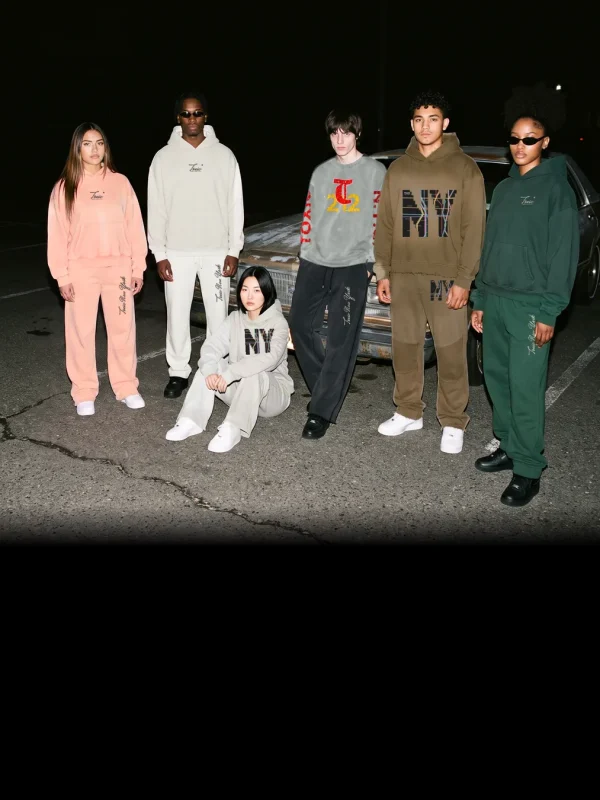
Tonal outfits are another move that always looks sharp. Wearing one color family from head to toe, like a grey hoodie with charcoal cargos and grey sneakers, looks deliberate and expensive even when every piece is simple. The trick is varying the textures, so mix fleece with twill or denim instead of matching identical fabrics. Once your foundation is solid, accessories like a beanie, a crossbody bag, or a fitted cap become the finishing touches that make the outfit feel like yours. That’s really the point of building around essentials: the core stays consistent, and your personal style lives in the details you add on top. If you’re starting from scratch, TOXIC NYC builds its oversized hoodies, baggy jeans, cargo pants, and graphic tees around exactly these heavyweight, relaxed fits, so the pieces are designed to work together from day one.
Questions & Answers
What are the most important streetwear essentials to buy first?
Start with an oversized heavyweight hoodie, a pair of baggy jeans, and two or three graphic tees in neutral colors. Those pieces cover most everyday outfits on their own. Once you have them, add cargo pants for variety and a solid pair of sneakers to tie everything together.
Should I size up for an oversized streetwear look?
Not always. Many streetwear pieces are already cut oversized, with dropped shoulders and a longer body, so your true size often gives you the intended fit. Size up only if a piece is cut regular or if you want an extra relaxed drape, and check the measurements before you order.
What does GSM mean on a hoodie or t-shirt?
GSM stands for grams per square meter and tells you how heavy and dense the fabric is. A higher GSM means thicker material that holds its shape better. For hoodies, 400 GSM and above is considered heavyweight, while a quality graphic tee usually falls between 220 and 300 GSM.
Are baggy jeans still in style for streetwear?
Yes, baggy and wide leg jeans are one of the strongest pieces in streetwear right now. They balance oversized tops, feel comfortable for all day wear, and carry that classic nineties street energy. Look for a slight stack at the hem over your sneakers for the cleanest look.
How do I keep my streetwear clothes looking new?
Wash your pieces inside out in cold water, avoid bleach, and air dry whenever possible. High heat from the dryer shrinks cotton and cracks screen printed graphics. Heavyweight fabrics last much longer with this care, so your hoodies and tees keep their shape and color wash after wash.






 Winter '26
 Women
 New